Creative Director, ProSolve
Quest
The brief
Build something schools have never seen: an escape-room-style experience that spans a board game, a video game and an animated series, with a story that moves forward as kids complete each challenge. The goal: increase engagement and renew kids' excitement about learning. Blockbuster storytelling, on a school budget.
The challenge
How do we deliver studio-quality storytelling and animation on a school budget, with a small team?
The solution
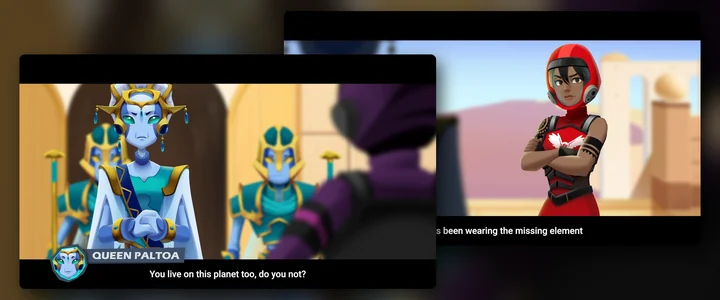
I proposed a hybrid model. Short bursts of hero animation carry the big moments. Between them, low-cost dialogue videos with limited animation keep the story moving, carried by punchy, witty writing and professional character voice acting that hold kids' attention when the animation is simple.
The impact
Quest became ProSolve's flagship program for summer and after-school. In one summer, over 9,000 students played it, 95% of facilitators wanted to run it again, and the kids kept asking for the next episode.
The challenge
Blockbuster stories, school budget
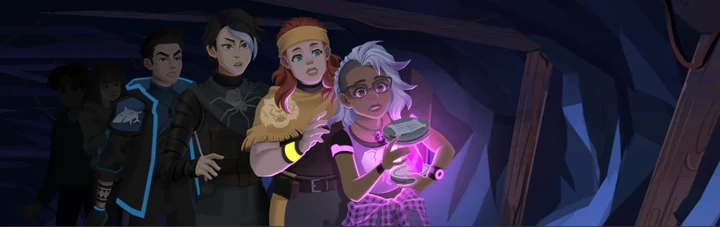
Our earliest animation tests for Quest fit the budget, but they were flat: too little motion and too little production value to hold a room of kids. If Quest was going to truly engage students, the storytelling and the production value had to rise far above that, on a budget a school could actually pay for.
The constraints
- Production window
- Three to five months per season
- Cadence
- A new season every year
- Runtime
- About an hour of animation per season, up to an hour and a half
- Team
- Up to nine artists, Heck animation studio (three to four animators plus sound), an in-house Unity developer
- Voice cast
- Up to 22 actors in a season
- Budget
- A fraction of a typical US studio budget, managed by me across the season
The solution
The game in story
Two kinds of animation. The budget couldn't pay for a fully animated season, so I split the animation in two. Hero scenes get more animation and more shot changes, saved for the most intense, interesting moments. The rest of the story runs as dialogue videos: painted stills with parallax camera moves and quick transitions between the characters as they talk. They need very little animation, keep the story moving and hold a room of kids between challenges.
More from the series
The game in print
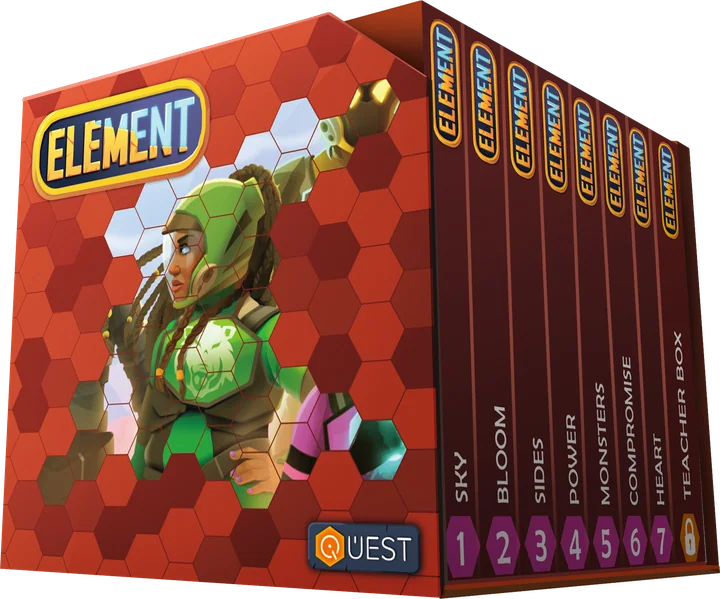
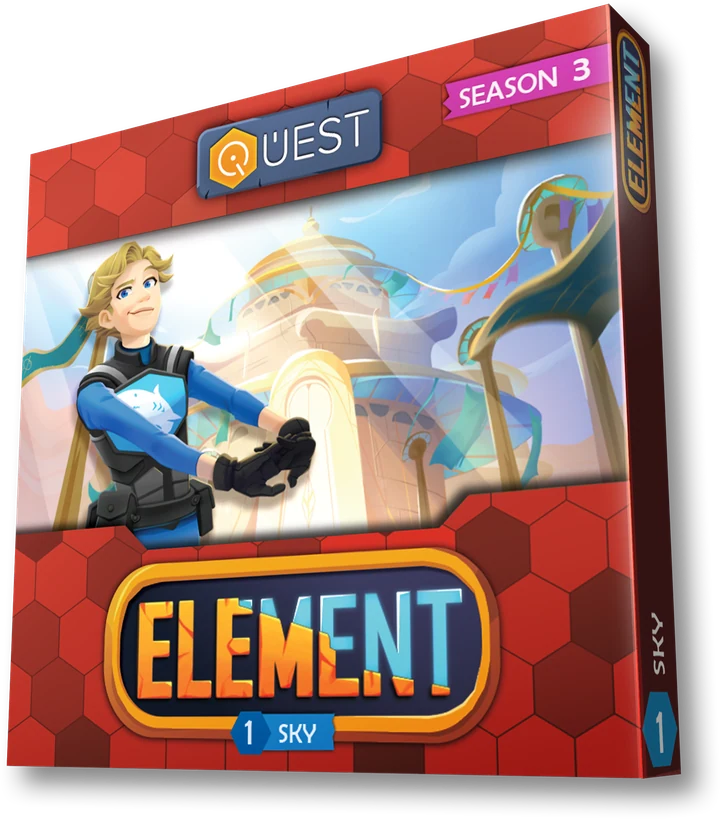
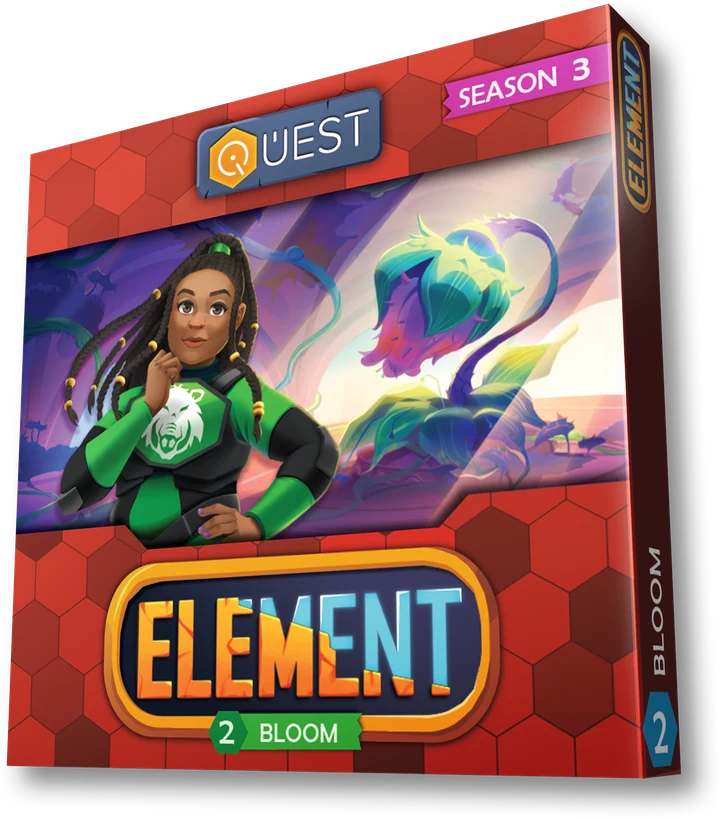
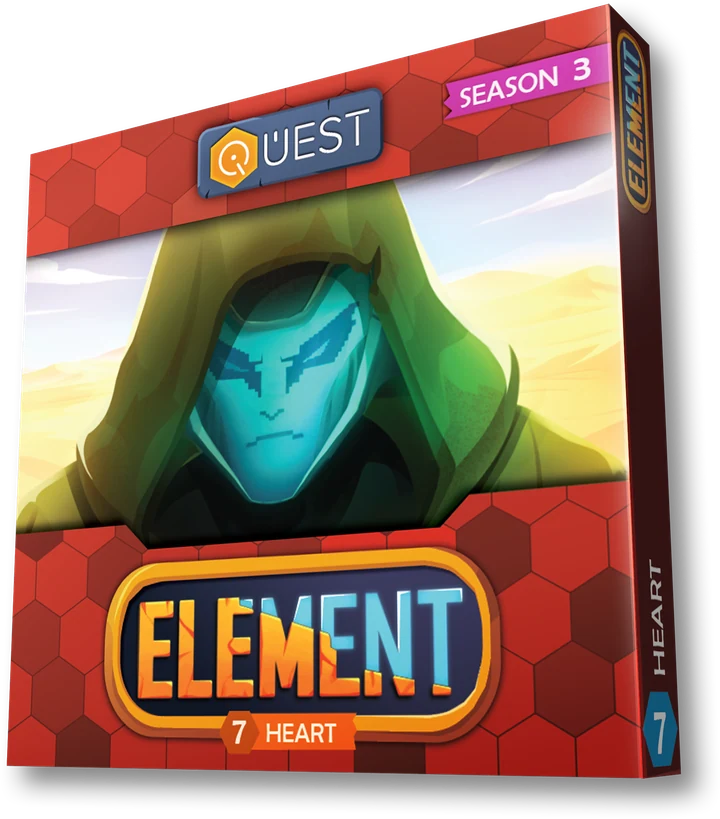
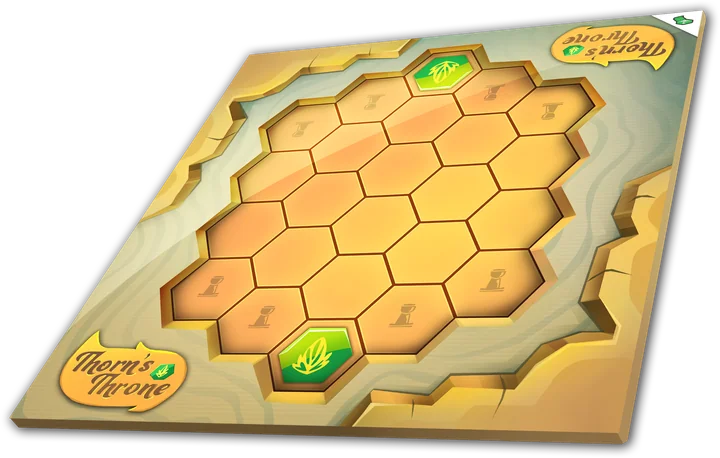
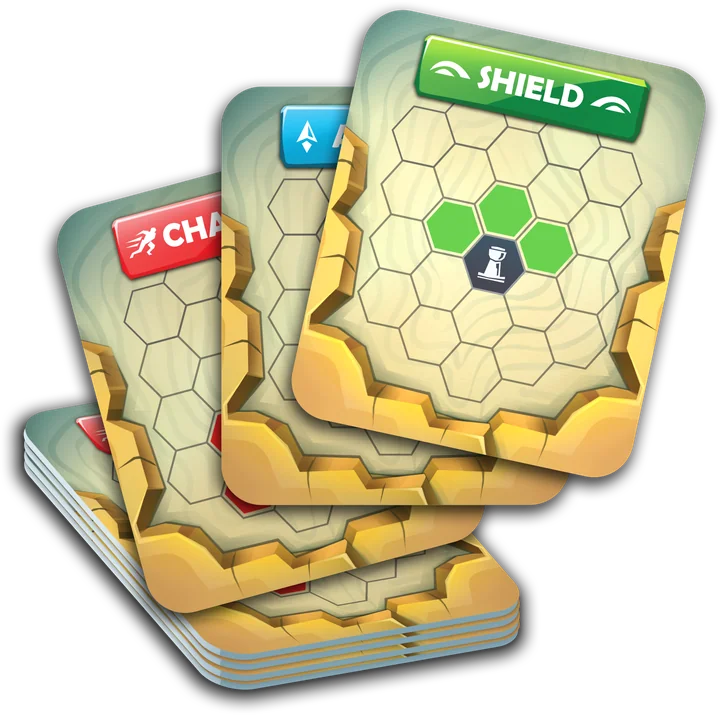
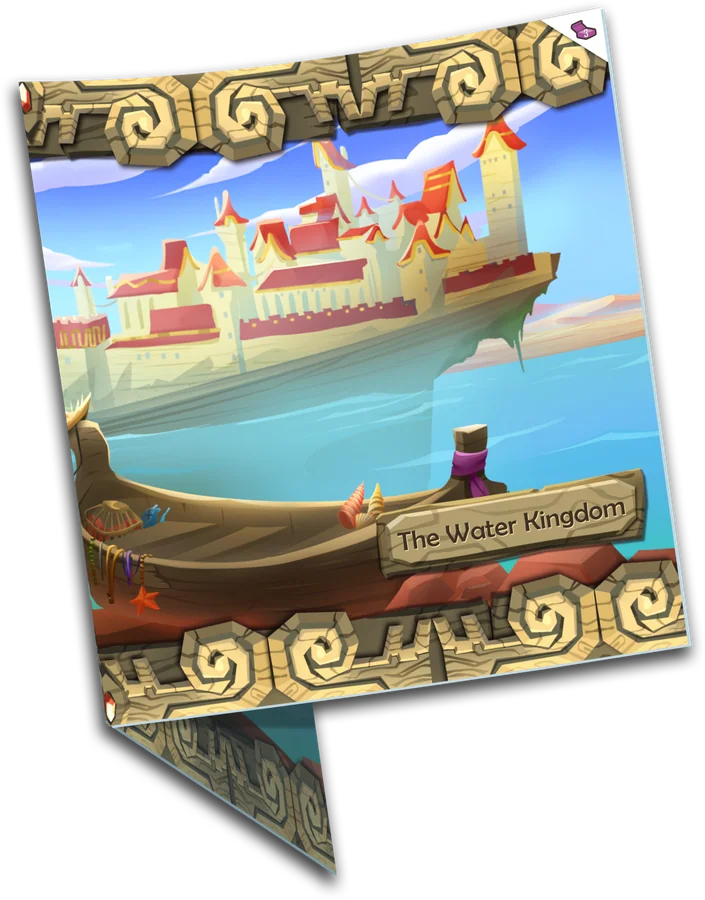
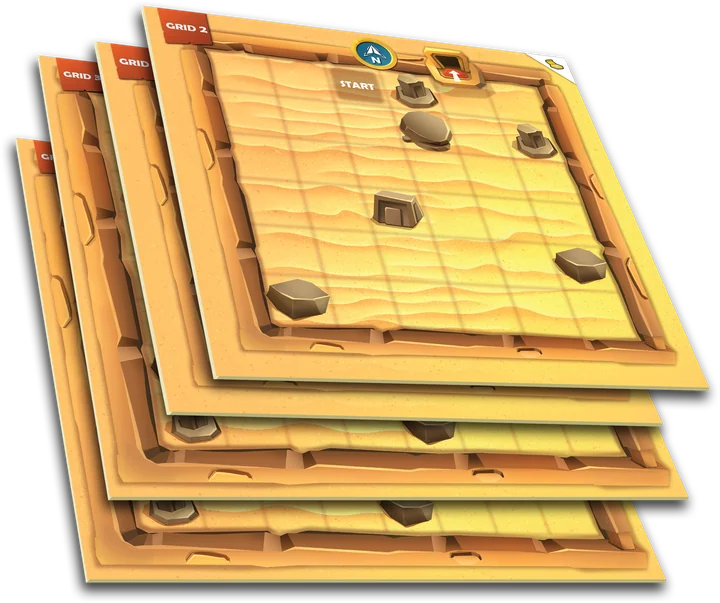
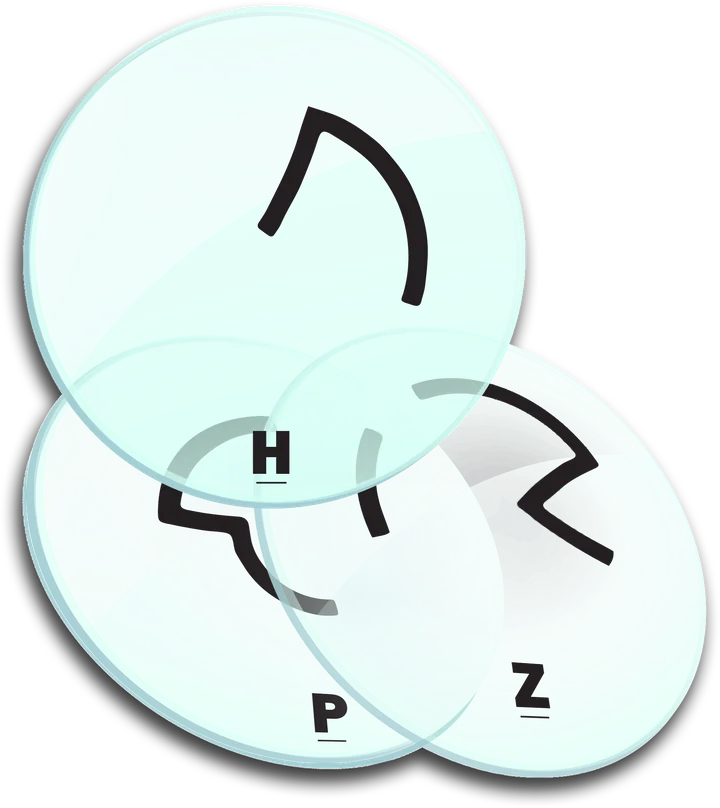
Each season ships as a box set: a slip case, seven episode boxes and a teacher box. The structure stays the same every season, while the color, texture and art change with the story. Every box is packed with boards, cards, tokens and props. Here is a small sample from Season 3: Element.
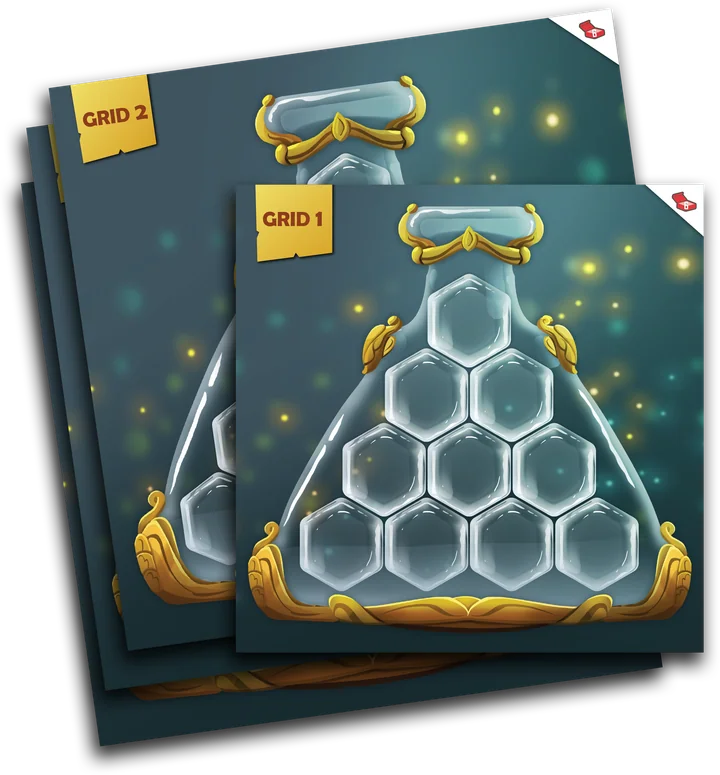
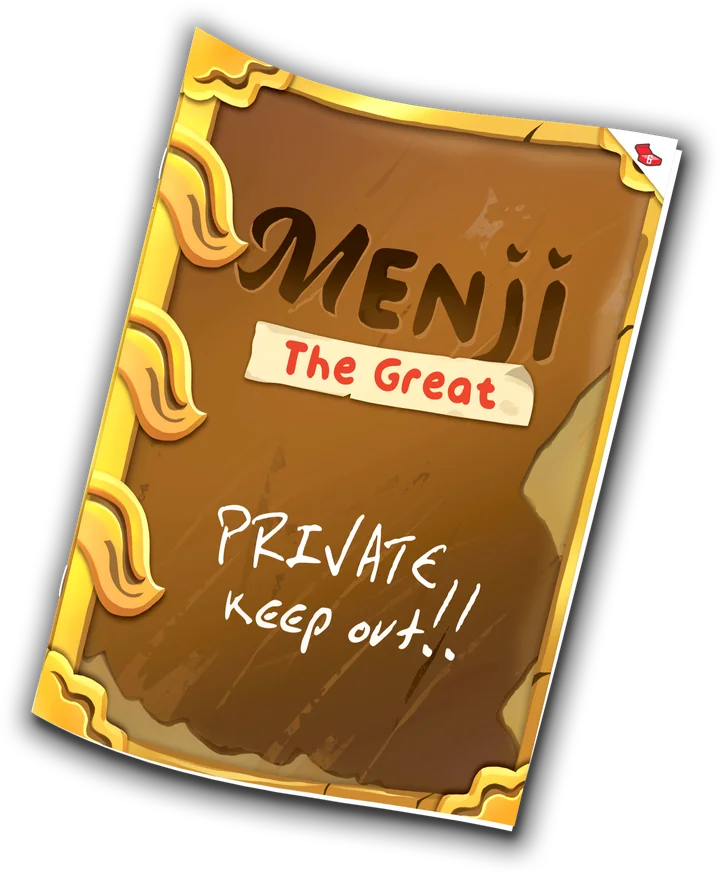
The game on screen
Every challenge belongs to a moment in the story, and players solve it to move that story forward. Short cuts from gameplay recordings.
How I ran a season
Every season went through the same six stages, and I owned each one. Early on I made most of it myself. As Quest grew, ProSolve hired a graphic designer and a game artist, and I art directed their work so the box, the game and the show still matched.
- ScriptI wrote every episode of Collapse, Glitch and Element.
- StoryboardI boarded each episode, then directed the artists who painted the art for it.
- ArtUp to nine remote artists in one Slack art channel. I managed the art budget, the schedule and every due date, assigned work by each artist's strengths, reviewed it daily and recorded art-direction videos when a principle needed teaching.
- VoiceI cast and directed every actor, up to 22 in a season, and picked the take for every line.
- AnimationSelected takes and final art went to Heck, a studio of three to four animators and sound engineers. I animated some key shots myself.
- Game and printArt for the Unity game, the teacher and student interfaces, and the boards and cards printed overseas, all matched to the story.
The impact
By the numbers
Quest became ProSolve's flagship program for summer and after-school learning, and students asked for more.
Not what I was expecting at all. It's so much more!
Student
[QUEST] has made me feel like I have an imagination.
Student
This was so much fun! Can I take this game home to teach my family?
Student
They LOVED the challenges! They also thought the animations were so cool.
Teacher
The students LOVE QUEST, they ask to play every single day.
Teacher
QUEST has created a collaborative environment in my classroom. We paired students together who don't normally work together and it has created new friendships.
Facilitator, Montague
District count is ProSolve-wide. Summer figures come from ProSolve's own program reports.
- Role
- Quest Creative Director
- Series
- Starforce (K–2), Seasons 1–3 and Apex Academy (3–5)
- Formats
- Animated series, game kits, digital game
- Tools
- Photoshop, After Effects, Illustrator, InDesign, Premiere Pro
- Years
- 2020–2026